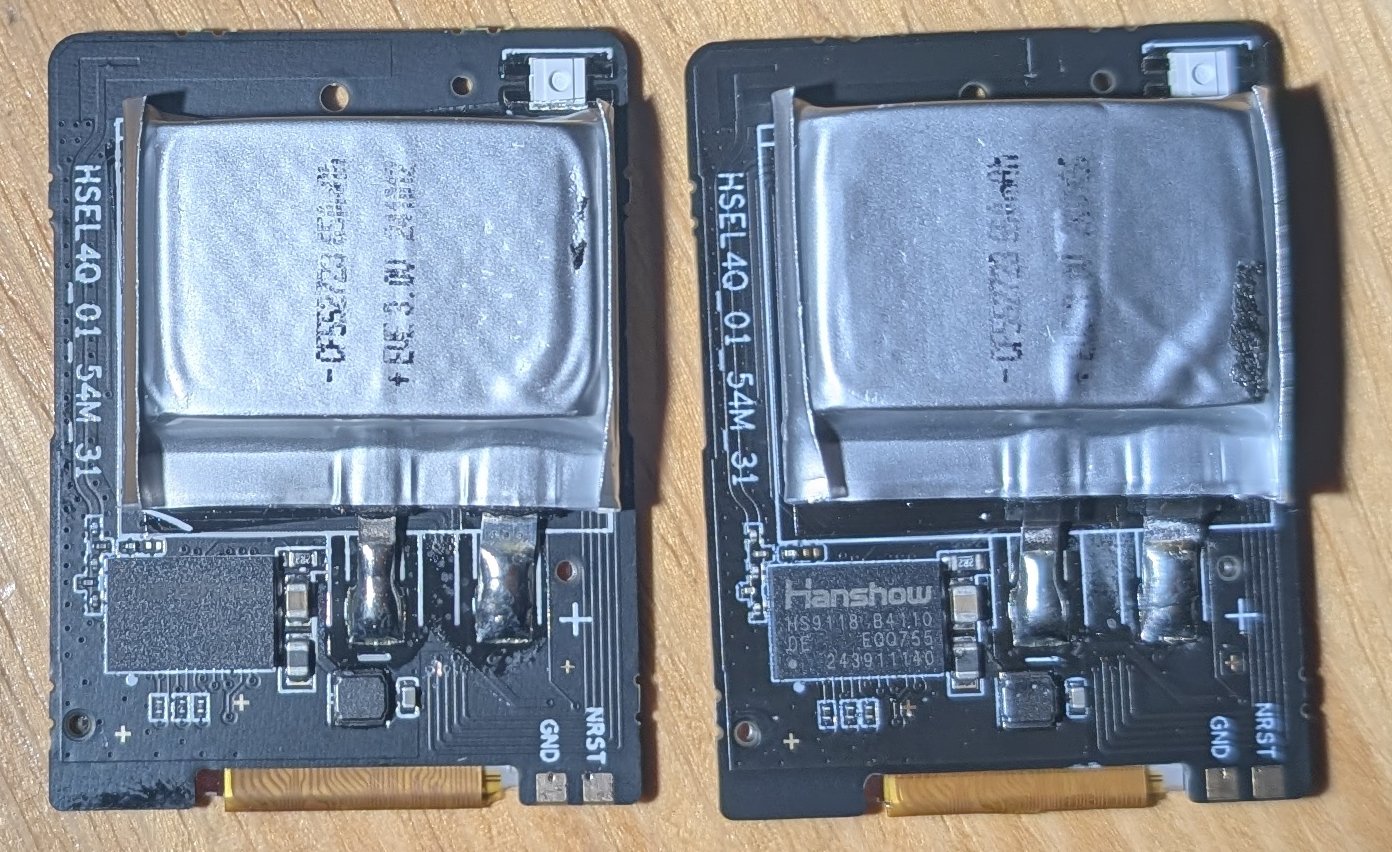
A quote for electronic shelf labels can describe anything from loose displays to a fully installed and supported system. Before comparing totals, make the scope comparable. This guide is a procurement worksheet, not a price list: use current written quotes and your store's measured labor costs rather than assumed market prices or promised returns.
Start with a planning budget, then revise it after the hardware evaluation and POS compatibility assessment. Those checks often reveal costs that a per-tag quote misses.
Set a common scope for every supplier
Count the display positions you want to cover, grouped by screen size, mounting type, and environment. Include duplicate locations for the same product, planned expansion, and a separately identified spare pool. The number of SKUs in a catalog is not necessarily the number of labels required.
- Store scope: locations, shelf or case types, label quantities by model, and any cold or outdoor areas.
- Workload: normal update frequency, promotion batch size, and required time from an approved price change to the display.
- Software scope: users, stores, templates, reporting, support hours, and the required POS connection.
- Comparison period: the same number of years or months for every proposal, with a common currency and consistent tax treatment.
- Ownership terms: purchased, leased, or bundled hardware; warranty; cancellation terms; and what happens at contract end.
Ask suppliers to identify exclusions, minimum commitments, quote expiry dates, and assumptions. Mark an unknown as unresolved, not as zero. If hardware is leased or bundled with a subscription, separate its cash-flow schedule without also counting it as an upfront purchase.
Build an itemized quote worksheet
For each row, record a quantity, unit price or rate, one-time or recurring status, billing interval, period total, supplier, and inclusion notes. Use a separate column for each proposal. The table below specifies what belongs in those rows; it deliberately supplies no prices.
| Cost line | Quantity or basis | What to confirm |
|---|---|---|
| Display hardware | Installed labels by exact model, plus spares | Size, color capability, temperature rating, included batteries, warranty, and replacement availability. |
| Hubs or gateways | Site-survey quantity, including any backup | Coverage, update capacity, licenses, power supplies, and which accessories are included. |
| Network and power | Cabling, outlets, switches, or local host | Installation labor, internet requirements, approved network equipment, and any ongoing hosting charge. |
| Mounts and fittings | Rails, clips, stands, security fittings, tools | Exact shelf fit, consumables, spare fittings, removal tools, and labor for later shelf resets. |
| Software | Per store, tag, user, tier, or account | Billing frequency, minimums, support, templates, API access, update limits, and annual price changes. |
| Installation and training | Survey, assembly, pairing, deployment, staff hours | On-site versus remote work, travel, after-hours work, data preparation, acceptance checks, and documentation. |
| Integration | Discovery, connector setup or development, testing | POS vendor fees, API plan, middleware hosting, recurring connector charges, and upgrade maintenance. |
| Batteries and service | Expected service events within the period | Approved parts or whole-tag replacement, labor, shipping, disposal, seals, and supplier service fees. |
| Ongoing operations | Monitoring, reassignment, support, breakage | Internal staff time, replacement rate, support tiers, warranty exclusions, and any coverage visits. |
| Delivery, tax, and exit | Freight, applicable tax, contract-end work | Duties, recoverable versus nonrecoverable tax, data export, deinstallation, disposal, and termination costs. |
Require an explicit entry of "included," "not needed," "quoted separately," or a written amount for each applicable line. A missing price is a question for the supplier, not evidence that the service is free.
Budget the work between delivery and a usable shelf
Receiving a box of labels is not the same as going live. Someone must install mounts, configure the network, prepare templates, pair tag identifiers with products, and verify the physical display against checkout. Decide which tasks the supplier performs and which use your staff's time.
Integration is a separate scope even when a connector already exists. Your POS edition, API access, product identifiers, promotion rules, and store-specific prices still need verification. A custom connection may require discovery before it can be priced responsibly. Record that uncertainty rather than accepting a vague "POS compatible" line.
Include pilot setup, staff training, written fallback procedures, and any disruption to trading. Ask whether pilot hardware, installation, or connector work can be reused for the rollout, and whether any trial fee is credited. Count it once according to the actual agreement.
Separate software commitments from hardware upkeep
Read the subscription terms alongside the hardware quote. A low introductory rate may have a minimum label count, a different renewal rate, or a required support plan. Establish what happens if you add stores, exceed a tier, reduce the number of labels, or cancel service.
- Software: confirm billing units, contract duration, annual adjustments, template changes, API limits, data retention, and access after cancellation.
- Support: distinguish support hours and response targets from a guaranteed repair time. Identify charges for site visits or replacement shipping.
- Batteries: request the service-life assumptions for your update frequency and temperature. Compare staff-replaceable batteries with supplier-serviced or sealed labels.
- Breakage and changes: allow for damaged tags, lost fittings, re-pairing, shelf moves, firmware work, and gateway replacement outside warranty.
- Integration upkeep: name who maintains the connector when the POS API changes, credentials expire, or store pricing rules change.
A multi-year battery estimate is not a maintenance-free guarantee. Show a base case using the supplier's stated assumptions and a separate earlier-service case. Do the same for tag damage and expansion if those are material uncertainties.
Calculate ownership cost over a defined period
Use a period long enough to cover the decision you are making, and make the start date explicit. For a straightforward, undiscounted planning comparison:
Period ownership cost = one-time acquisition and deployment + recurring charges during the period + scheduled service and replacement + internal operating labor + exit costs due within the period.
For each recurring line, multiply its rate by the applicable quantity and number of billed intervals. For each service event, include parts, labor, freight, and downtime handling where relevant. Keep refundable deposits, tax treatment, financing, and any assumed residual value visible rather than silently mixing them into the total.
Report the upfront cash requirement separately from the full-period total. A per-installed-label figure can help compare proposals with the same scope, but state the denominator and period. Do not compare a monthly software price from one proposal with a complete multi-year cost from another.
Compare with the process you actually run today
Measure current price-change work over representative weeks, including a promotion or markdown cycle. Record printing supplies, staff time preparing and replacing tags, checks for mismatches, and corrections. Use loaded labor costs consistently on both sides.
Then measure the proposed ESL workflow in a pilot. Labels still need pairing, monitoring, exception handling, and servicing. Time released for other tasks is an operational benefit, but it is not automatically a payroll reduction or new sales revenue.
Keep speculative benefits out of the base cost comparison. If you model fewer errors or increased sales, label them as scenarios with an observable baseline and an explicit assumption. There is no universal payback period for electronic labels, and a vendor's demonstration is not proof of your store's return.
Close the gaps before approving a purchase
- Reconcile quoted quantities with a hardware pilot and coverage assessment.
- Confirm the integration scope, API costs, ownership, and acceptance criteria in writing.
- Review the complete period cost and an earlier-service or higher-usage scenario.
- Identify exclusions, unresolved prices, contract changes, and the budget owner for each.
- Agree on pilot success, rollout approval, warranty handling, and an exit process before the full commitment.
The result should be a defensible budget and a list of known risks, not an artificially precise ROI claim. If the total still relies on unknown coverage, untested compatibility, or undocumented battery assumptions, the next purchase is a scoped pilot, not a full-store rollout.